
REPAIR SERVICES
The right work for your instrument
From targeted adjustments to complete rebuilds, each service level is designed around the instrument in front of us. The goal is to identify the work that best supports its condition, your playing needs, and the performance you expect.
The difference between these services is the scope of work - not the standard applied to it. Choose a starting point below, or contact me if you aren’t sure which level best fits your instrument.
Four levels of service. One standard of care.
01
Playing Condition
Targeted adjustments and repairs for an instrument that already plays well and simply needs to stay that way.
02
Clean, Oil & Adjust
Complete disassembly, thorough cleaning, lubrication, and careful reassembly with regulation adjusted as necessary.
03
Professional Setup
Comprehensive mechanical refinement of a factory-new or recently repadded instrument to a more precise and intentional setup.
04
Overhaul & Restoration
A complete rebuild with new pads, timing materials, tone-hole preparation, and comprehensive mechanical setup.
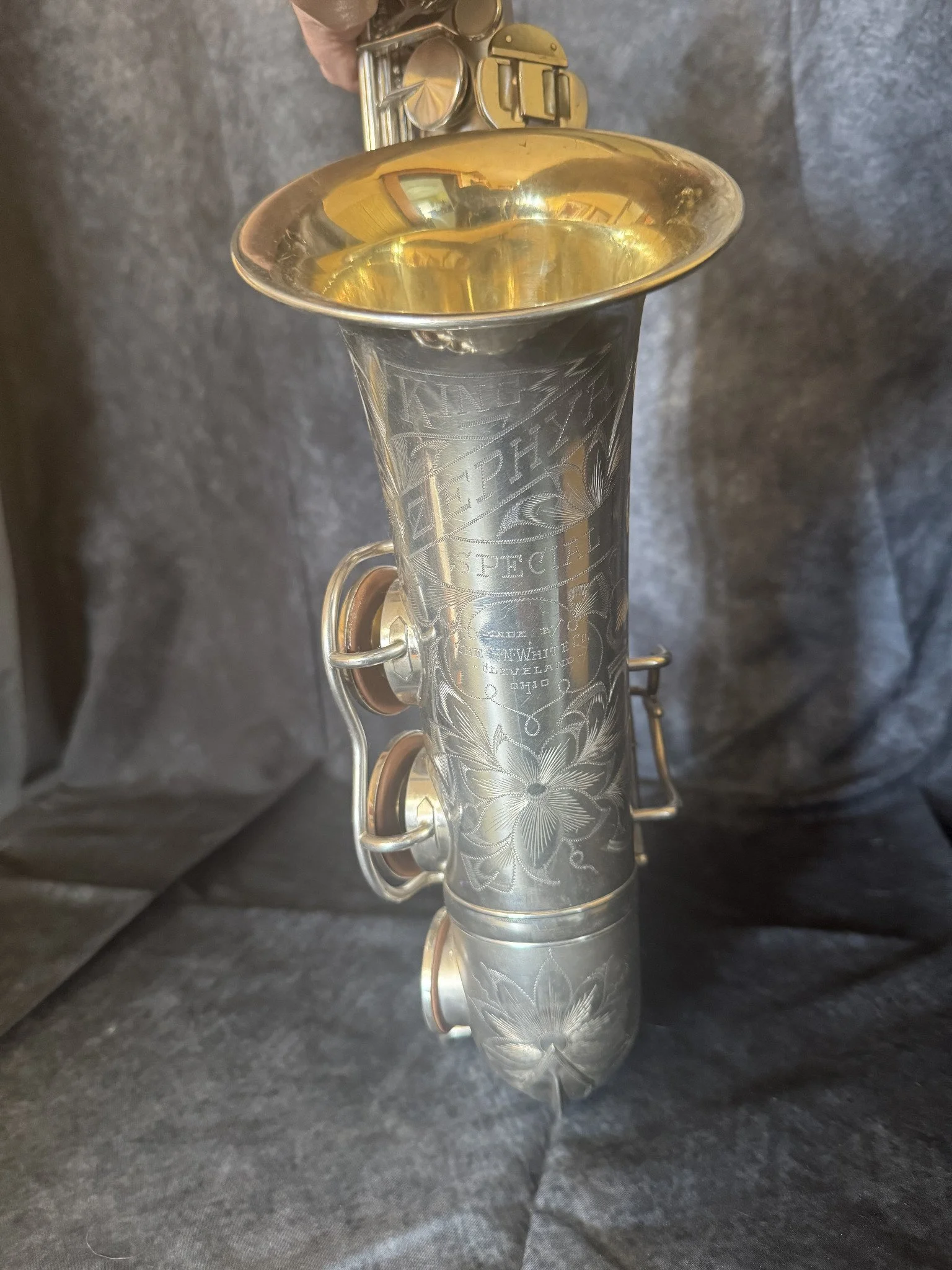
Keep a great-playing instrument that way.
Playing Condition
Playing Condition is the least invasive level of service and is intended for an instrument that already plays well but needs targeted attention to maintain its response, reliability, and feel.
Rather than taking the instrument apart unnecessarily, the work is focused on specific issues that are keeping it from performing exactly as it should.
Typical work may include
Pad adjustments or replacement where necessary
Leak correction
Regulation and timing adjustments
Spring-tension adjustments
Minor mechanical corrections
Key fitting and lubrication as needed
Final leak check and play-test
Players who are happy with the overall setup of their instrument and want to preserve its current level of performance without moving into a more invasive service.
Best for
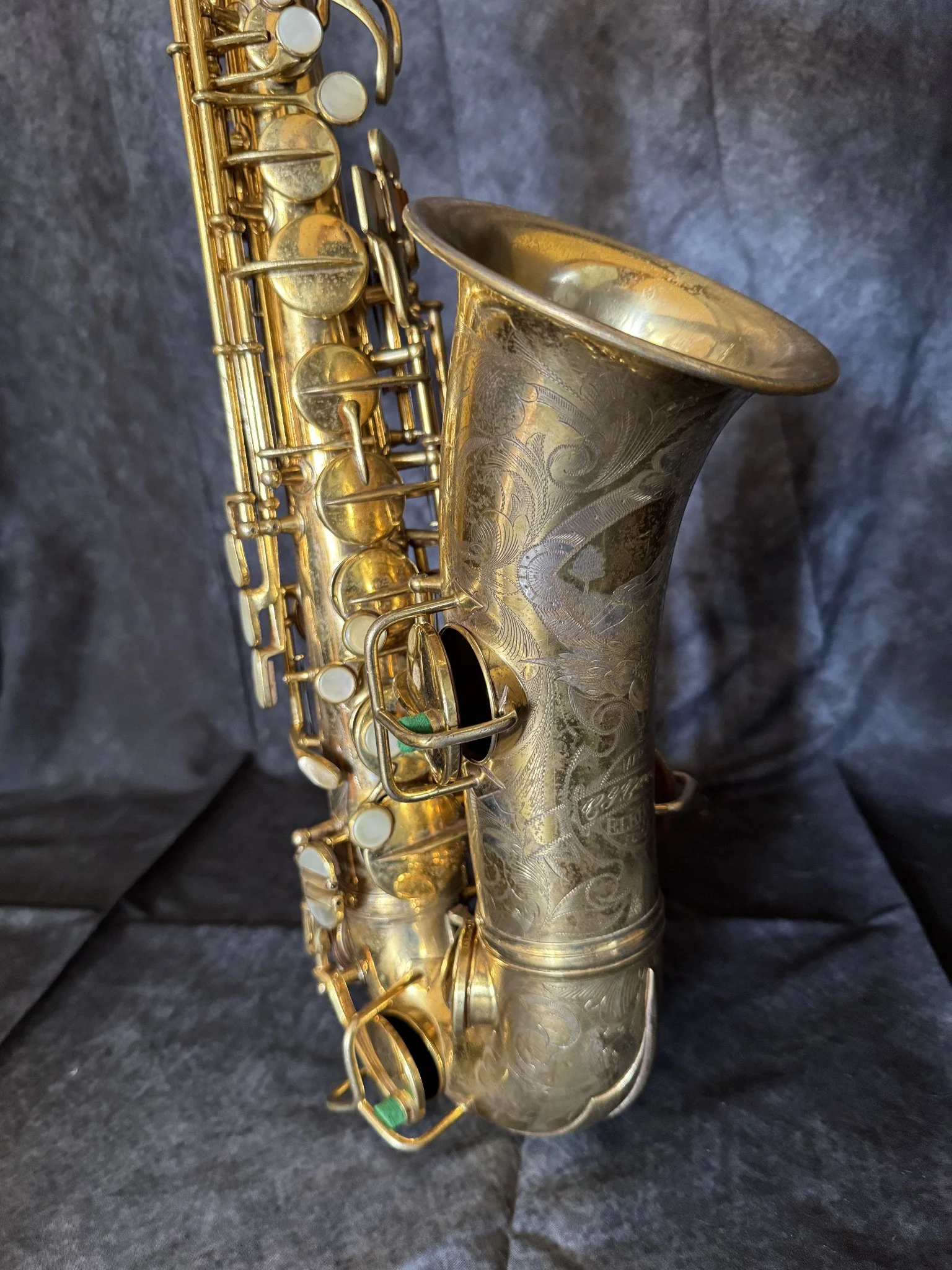
Clean, Oil & Adjust
A fresh start without a complete overhaul.
A Clean, Oil & Adjust is designed for an instrument that needs more than targeted maintenance but does not require a complete repad or overhaul. The instrument is fully disassembled so the body, keywork, and mechanisms can be thoroughly cleaned and properly serviced.
During reassembly, pads and regulation are evaluated and adjusted as necessary so the instrument leaves the shop not only cleaner, but mechanically refreshed and playing properly.
Typical work may include
Complete disassembly of the instrument
Thorough cleaning of the body and keywork
Cleaning and lubrication of mechanisms
Replacement of worn or damaged adjustment materials as necessary
Pad adjustment or replacement where needed
Regulation and timing adjustments
Spring-tension adjustments
Key fitting and minor mechanical corrections
Final leak check and play-test
Players whose instrument has accumulated dirt, old lubricant, or general wear and would benefit from a complete cleaning and mechanical refresh, while the existing pad set remains largely serviceable.
Best for
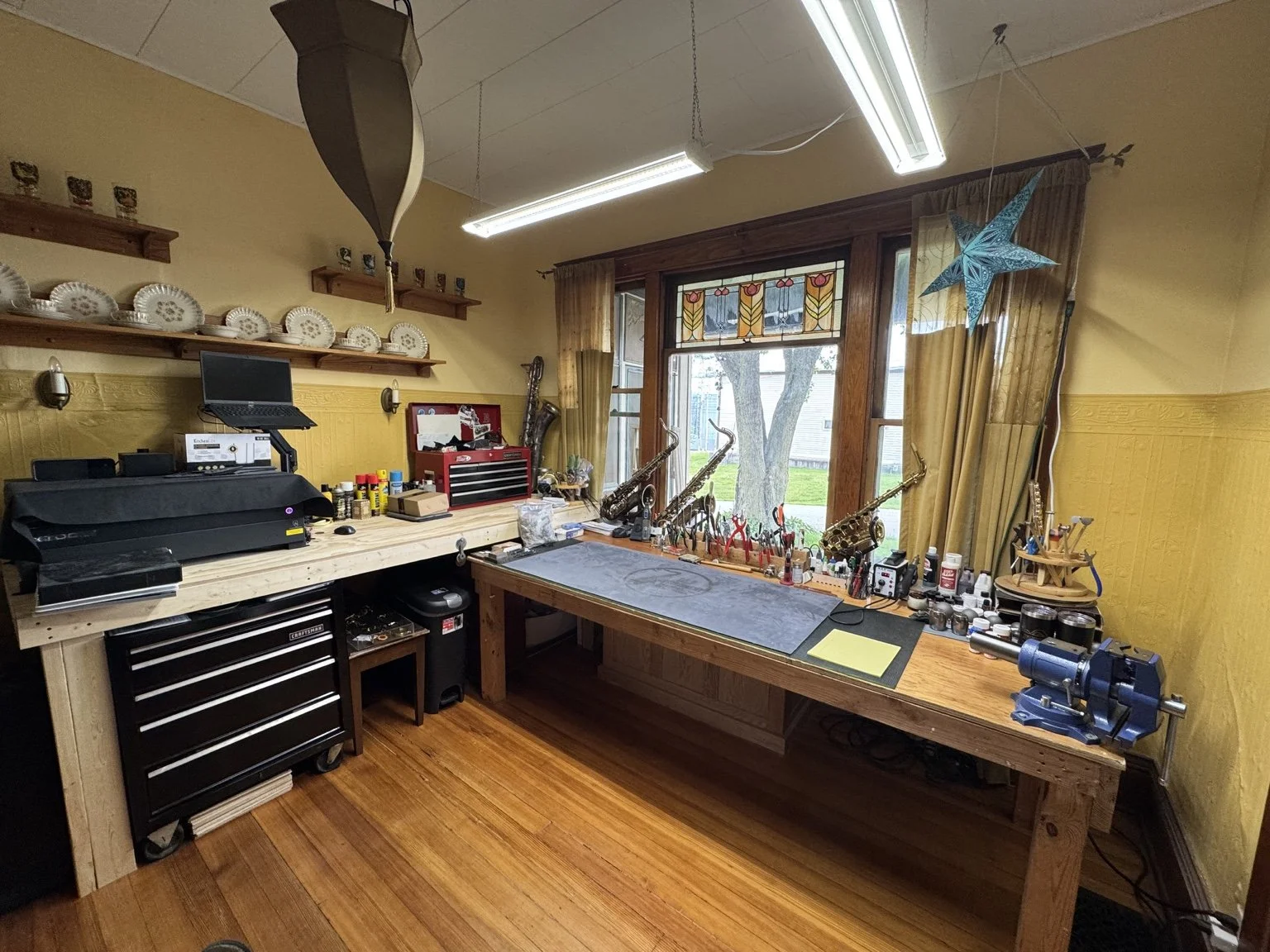
Professional Setup
Refined beyond the factory setup.
A Professional Setup is for an instrument with a fundamentally healthy pad set that can perform at a much higher level than its current mechanical setup allows. This is most often a factory-new instrument or one that has been recently repadded but still does not feel, respond, or regulate the way it should.
Rather than simply correcting isolated problems, the instrument is evaluated as a complete mechanical system and refined to Nathan’s specifications for response, feel, regulation, and consistency.
Typical work may include
Complete mechanical evaluation
Adjustment and seating of every pad as necessary
Key-height and venting adjustments
Regulation and timing throughout the instrument
Spring-tension balancing
Replacement or refinement of cork, felt, and other adjustment materials
Key placement and ergonomic adjustments where appropriate
Tone-hole inspection and dressing as necessary
Neck and neck-tenon fit evaluation and correction
Key fitting and other mechanical refinement
Final leak check, regulation, and play-test
New instruments that would benefit from refinement beyond the factory setup, or recently repadded instruments that are mechanically sound but still do not feel or perform as precisely as they should.
Best for
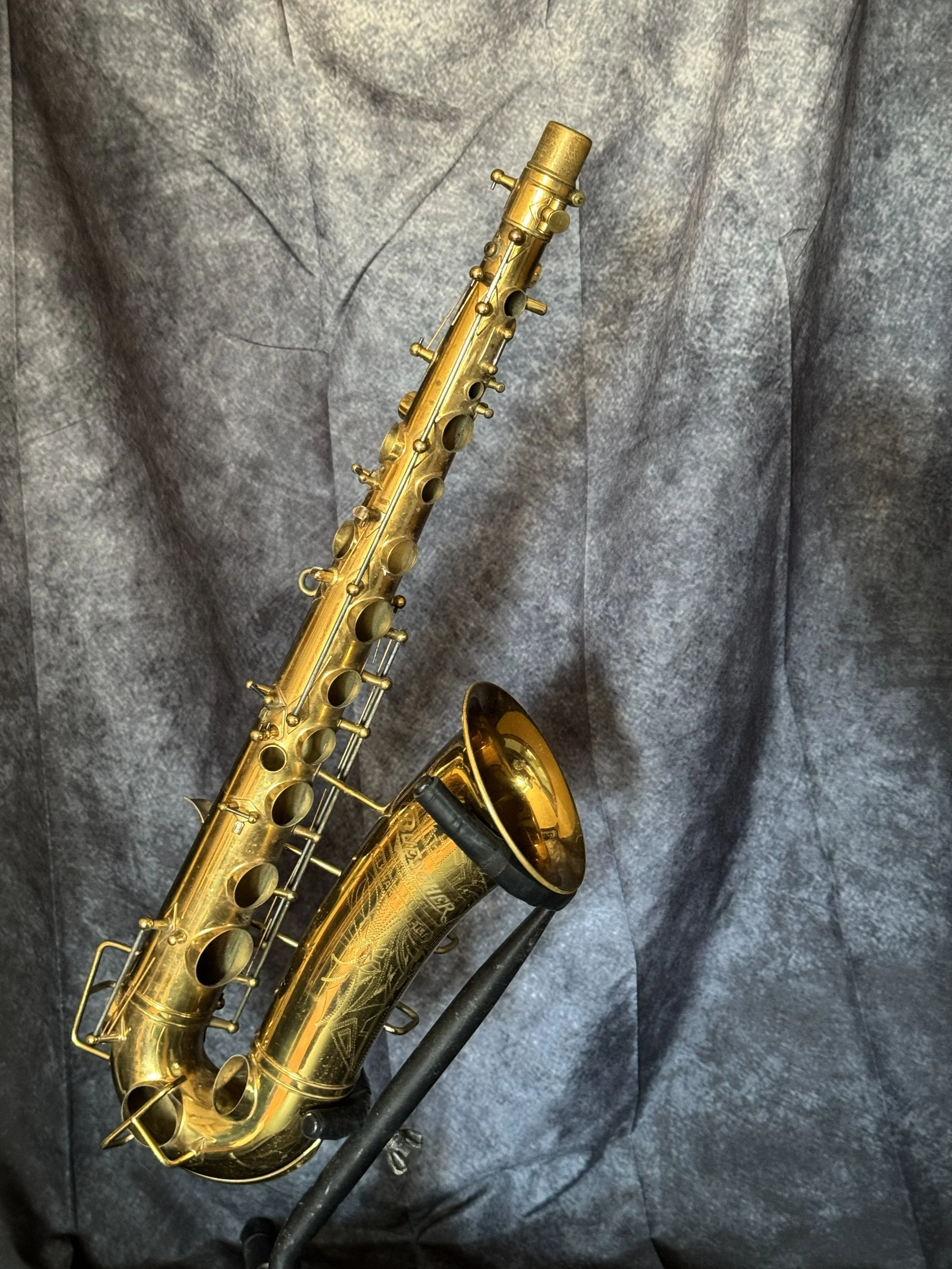
A complete rebuild from the ground up.
Overhaul and Restoration
An Overhaul & Restoration is the most comprehensive level of service offered by NJ Instrument Repair. The instrument is completely disassembled and rebuilt with new pads, new timing and adjustment materials, and extensive mechanical refinement throughout.
The goal is not simply to return the instrument to working condition. Every component is evaluated as part of the complete system so the finished instrument can respond, regulate, and feel better than it did before the overhaul began.
Typical work may include
Complete disassembly of the instrument
Thorough cleaning of the body and keywork
Replacement of all pads
Replacement of cork, felt, and other timing materials
Tone-hole inspection and dressing as necessary
Key fitting and mechanical correction
Regulation and timing throughout the instrument
Key-height and venting adjustments
Spring-tension balancing
Neck and neck-tenon fit evaluation and correction where applicable
Mechanical and ergonomic refinement
Final leak check, regulation, and extensive play-testing
Instruments with worn or failing pad sets, significant mechanical wear, inconsistent regulation, or instruments whose current condition prevents them from reaching their full playing potential. An overhaul is also appropriate when the goal is a complete mechanical reset rather than continued repair of an aging setup.
Best for
You don’t need to diagnose the instrument yourself.
Not sure where to start?
These service levels are meant to explain the scope of work, not to make you determine exactly what your instrument needs before contacting me. If you’re unsure, tell me what you’re experiencing, what you like or dislike about the way the instrument currently plays, and what you hope to improve.
I’ll help determine the appropriate starting point after evaluating the instrument.