
Thoughtful work from evaluation to final play-test.
Our Process
Every instrument is approached as a complete system. The process begins by understanding its current condition and what the player is experiencing, then establishing the appropriate scope of work before significant repairs begin.
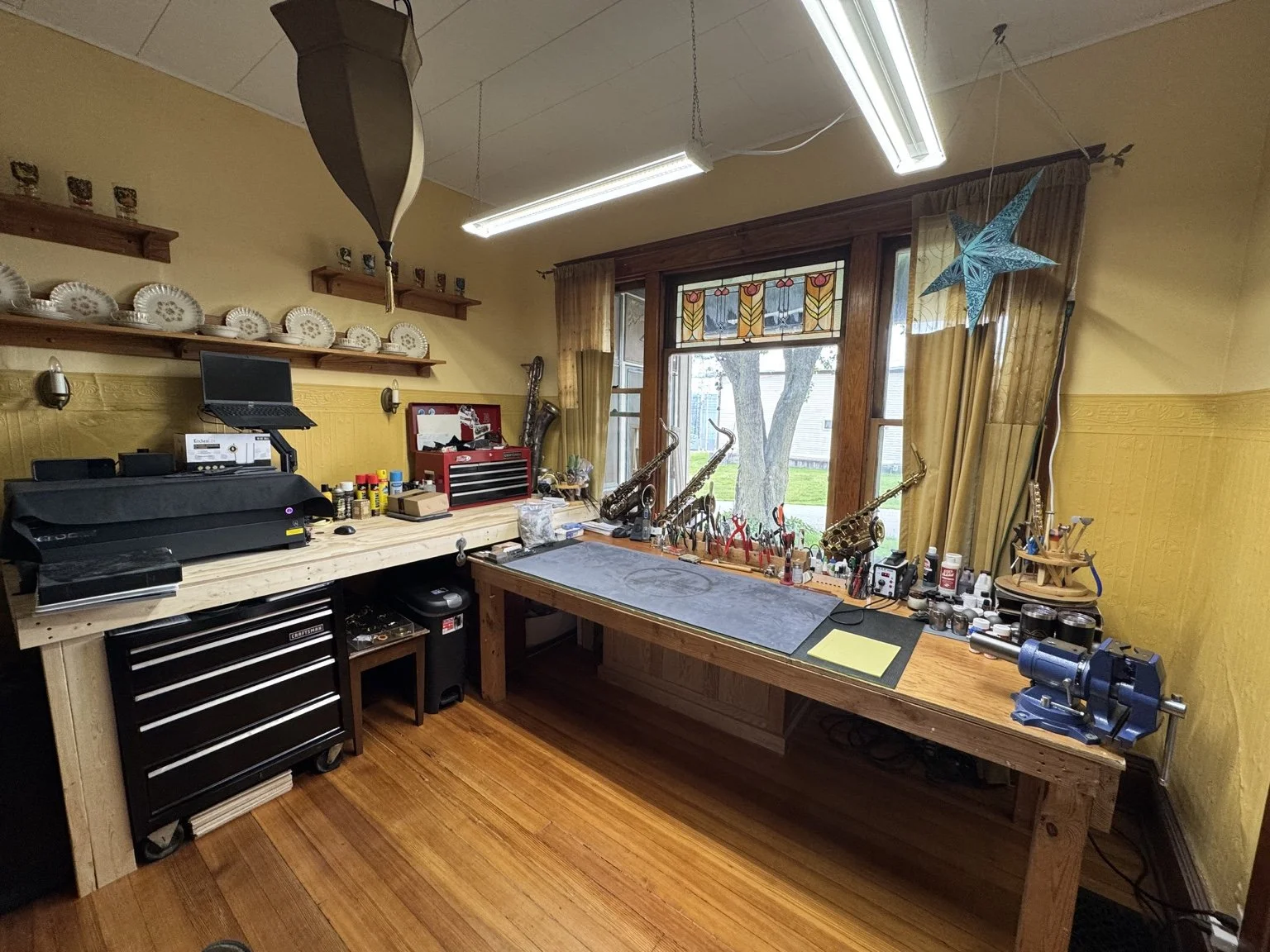
Clear communication and careful evaluation are as important as the repair itself. Each step is designed to make sure the work is appropriate, understood, and completed to the highest standard.
A deliberate process from arrival to return.
01
Evaluate
The instrument is carefully assessed for mechanical condition, regulation, sealing, response, and the issues you’re experiencing as a player.
02
Discuss & Approve
We review what was found, discuss priorities and options, and establish the appropriate scope of work before significant repairs begin.
03
Refine
The agreed work is completed with attention to the instrument as a complete mechanical system, not simply a collection of individual problems.
04
Verify
Final regulation, leak checks, mechanical inspection, a break-in period, and play-testing confirm the finished work before the instrument leaves the shop.
01
Evaluate
Understand the instrument before changing it.
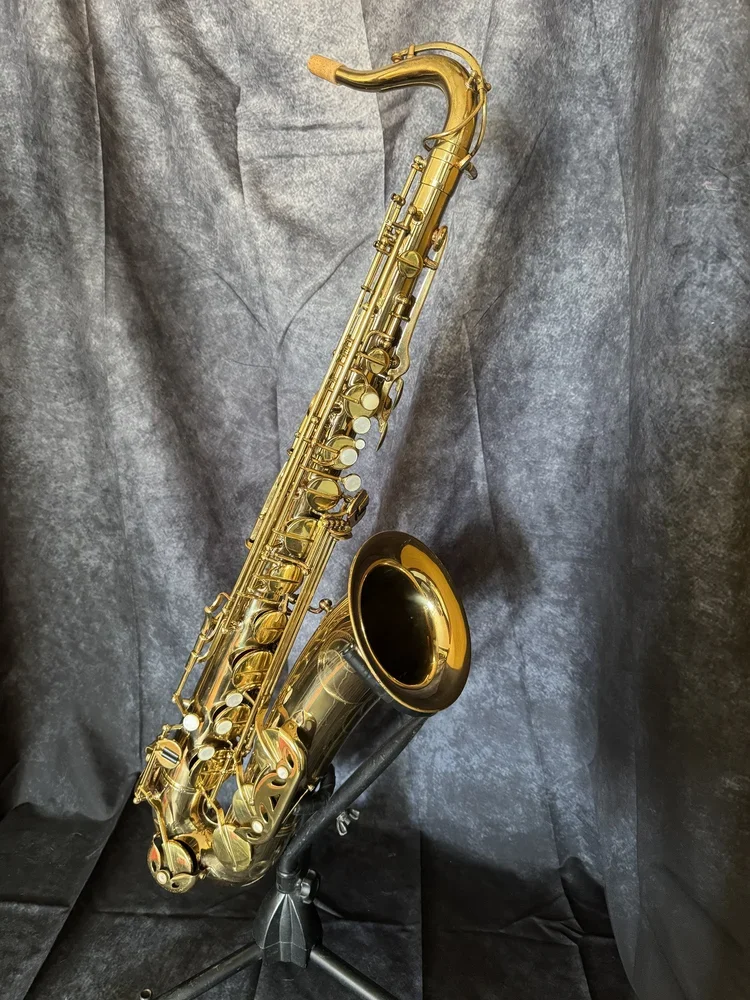
Every repair begins with an evaluation of the instrument as it currently exists. That means looking beyond the obvious complaint and considering how the instrument seals, regulates, responds, feels mechanically, and functions as a complete system.
The player’s experience matters too. What feels slow, resistant, unstable, noisy, uncomfortable, or simply “not quite right” can help identify problems that are easy to miss when looking only at the mechanism.
What I’m looking for
Pad seal and condition
Regulation and timing
Mechanical wear and lost motion
Spring balance and key movement
Key heights and venting
Neck and tenon fit where applicable
Evidence of previous repairs or setup choices
How the instrument responds during play-testing
What this means for you
The goal is to understand what the instrument actually needs before deciding how invasive the repair should be. Sometimes the answer is a targeted adjustment. Other times the evaluation reveals that a broader service will produce a more reliable result.
02
Discuss & Approve
Clear expectations before significant work begins.
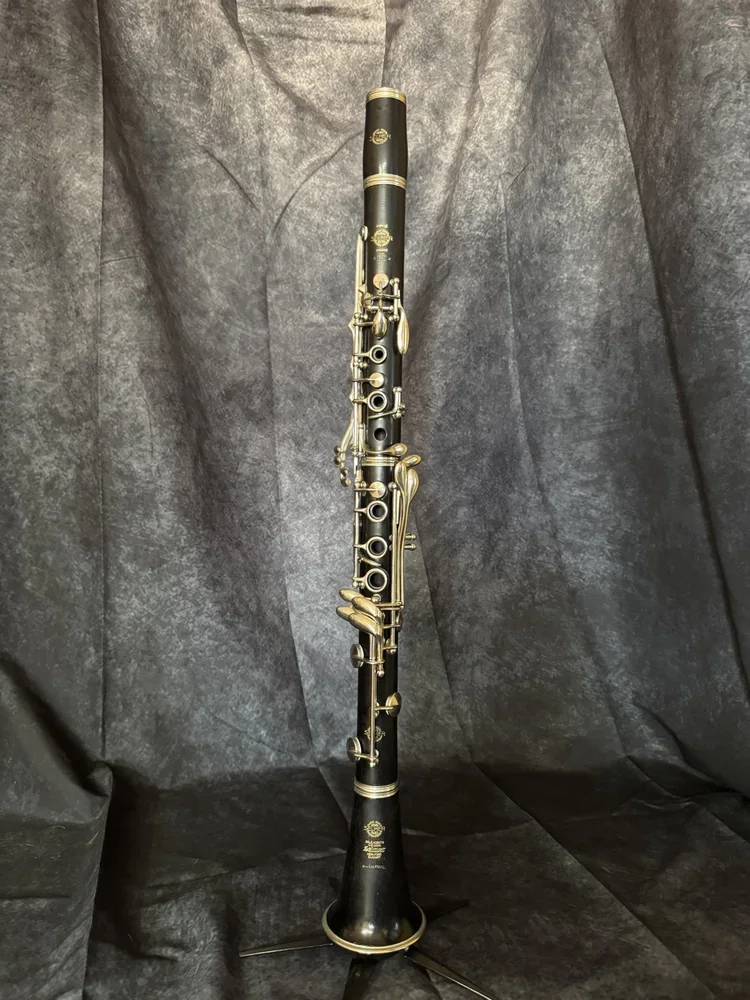
After the evaluation, I’ll explain what I found, what I believe is affecting the instrument, and what level of work makes sense. This is also the point where we can separate what needs attention now from work that may be beneficial but is not immediately necessary.
Before significant repairs begin, the scope of work is established so you understand what is being done and why. If the evaluation reveals something that substantially changes the expected scope, that gets discussed rather than simply added to the repair.
What we’ll establish
The problems identified during evaluation
Recommended service level or repair approach
Immediate priorities versus optional improvements
Any meaningful choices in setup or materials
Expected scope of work
Cost or estimate expectations where applicable
Any concerns that may affect the final result
What this means for you
You should know what your instrument needs, what I intend to do about it, and why that work makes sense before a major repair is underway.
03
Refine
The instrument is treated as a complete system.
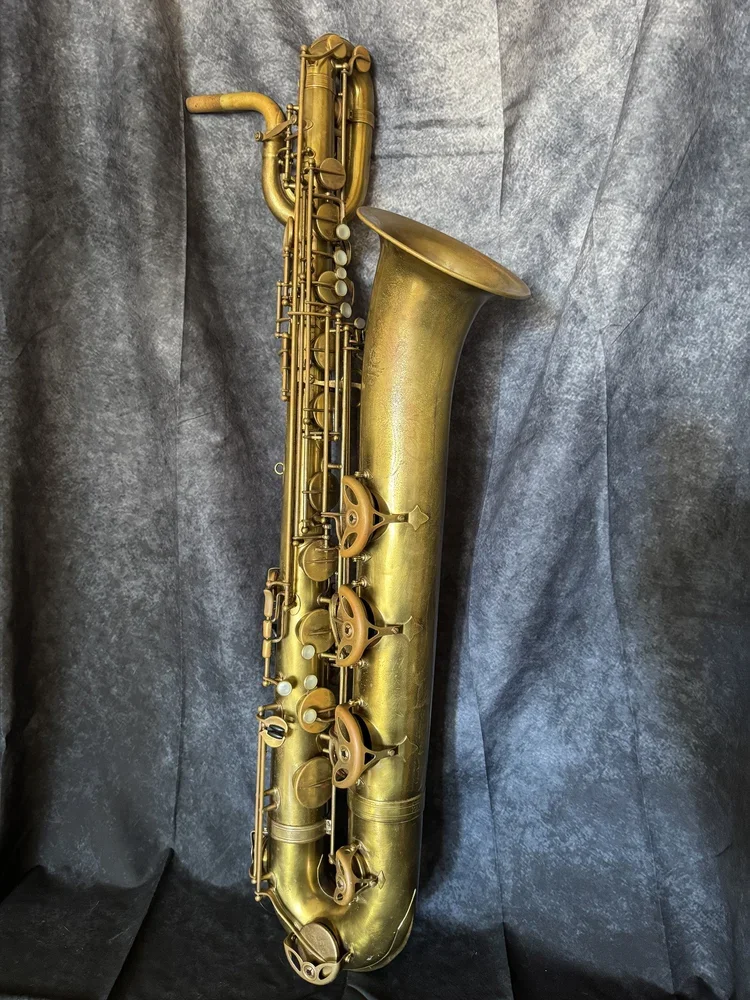
Once the scope of work is established, the repair begins. Individual problems are corrected, but each adjustment is considered in relation to the rest of the instrument—because changing one part of the mechanism can affect response, regulation, feel, and reliability elsewhere.
The exact work varies with the service being performed, but the goal remains the same: refine the instrument so its mechanical function supports the player rather than getting in the way.
What refinement can involve
Pad seating and sealing
Regulation and timing
Key fitting and mechanical correction
Spring-tension balancing
Key-height and venting adjustments
Replacement or refinement of cork, felt, and other adjustment materials
Tone-hole preparation where necessary
Neck and tenon fitting where applicable
Ergonomic and key-placement adjustments
Cleaning and lubrication appropriate to the service
Continued checking as the instrument is reassembled and regulated
What this means for you
The repair is not considered a collection of isolated fixes. The instrument is continually evaluated as the work progresses so the finished result feels cohesive, responsive, and mechanically intentional.
04
Verify
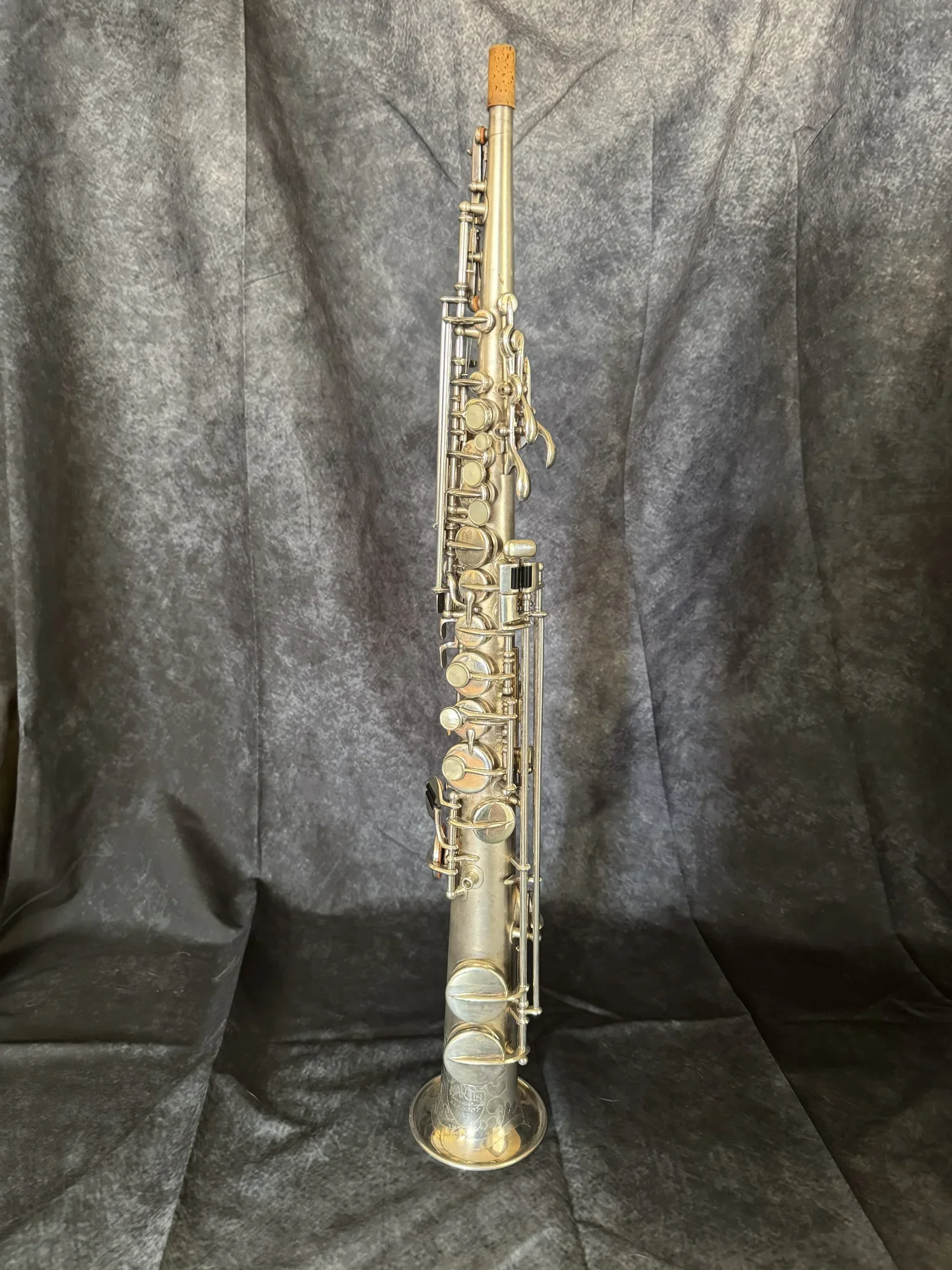
The work isn’t finished until the instrument proves it.
Once the repair itself is complete, the instrument goes through a final verification process. Regulation, sealing, mechanical function, and the interaction between adjustments are checked again after the instrument has been fully assembled.
Then it is play-tested. Mechanical measurements can tell us a great deal, but the finished instrument still has to respond, feel, and perform the way it should in the hands of a player.
What verification includes
Pad seal and regulation
Timing throughout the mechanism
Spring balance and key movement
Mechanical noise or lost motion
Neck and tenon fit where applicable
Response and consistency across the instrument
Stability of the completed adjustments
Overall feel during final play-testing
What this means for you
The instrument does not leave the shop simply because the scheduled work has been completed. It leaves when the completed work has been checked as a system and the instrument is performing to the standard expected from the repair.
Whether you already know what your instrument needs or you simply know something isn’t quite right, the process starts with a conversation. Tell me about the instrument, what you’re experiencing, and what you’d like to improve.
Ready to talk about your instrument?
Ready when you are